
A Guide to Creatine Monohydrate: Benefits for Everyone
Creatine monohydrate is a popular dietary supplement known for its potential to enhance athletic performance. However, it offers numerous benefits beyond the realm of sports and bodybuilding. This post aims to delve into the world of creatine, describing its effects on the body, its pros, and why everyone, not just athletes, can benefit from regular supplementation.

1. Understanding Creatine Monohydrate
Creatine is a naturally occurring compound found in small amounts in certain foods, such as red meat and fish. Creatine monohydrate, the most common form of creatine supplement, is widely available in the market as a powder or tablet. It is easily absorbed by the body and stored in the muscles for future energy demands.
2. Effects of Creatine on the Body
The primary effect of creatine is its role in adenosine triphosphate (ATP) regeneration. ATP is the primary energy currency of cells, and during high-intensity activities like weightlifting or sprinting, it rapidly depletes. Creatine helps to replenish ATP stores, allowing individuals to sustain intense exercise for longer periods.
Furthermore, research has suggested that creatine monohydrate may have neuro-protective effects, benefiting brain health. Studies have shown potential benefits in conditions like Parkinson's disease, Alzheimer's disease, and depression.
3. Pros of Creatine Monohydrate
a. Improved Exercise Performance: Creatine has been extensively studied for its positive impact on athletic performance. Research indicates that it can increase strength, power output, and overall exercise capacity.
b. Muscle Growth: Regular use of creatine monohydrate has been associated with an increase in muscle mass, making it a valuable supplement for those seeking to improve their body composition.
c. Enhanced Recovery: Studies have shown that creatine supplementation can reduce muscle damage and inflammation, leading to faster recovery after intense exercise.
d. Brain Health Benefits: As mentioned earlier, creatine may have a positive effect on cognitive function and brain health, making it valuable for individuals of all ages.
e. Vegetarian and Vegan Support: Creatine is predominantly found in animal products, making supplementation particularly beneficial for vegetarians and vegans who may have lower natural creatine levels.
4. Creatine for Everyone
Creatine monohydrate is not limited to athletes or bodybuilders. Its benefits extend to various populations, including:
a. Older Adults: Research has indicated that creatine supplementation in older adults can improve muscle strength and mobility, potentially reducing the risk of falls and maintaining independence.
b. Individuals with Neurological Conditions: Studies have suggested that creatine may offer neuro-protective effects, making it a potential supportive therapy for those with neurodegenerative diseases.
c. Those in Physically Demanding Jobs: People with physically demanding occupations can benefit from creatine's enhanced energy production, aiding in the performance of challenging tasks.
d. Vegetarians and Vegans: As mentioned earlier, creatine monohydrate can help bridge the gap for individuals who do not consume animal products.
5. Different Forms of Creatine: Powder vs. Tablet
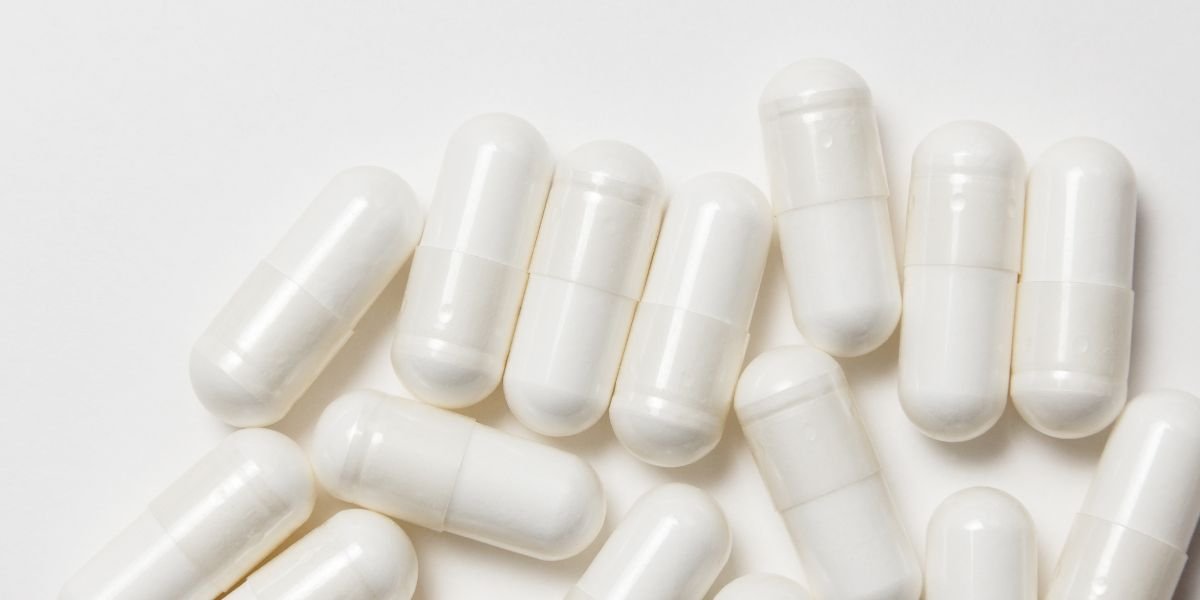
Creatine monohydrate is available in two common forms: powder and tablets. Both forms offer the same benefits; the choice depends on personal preferences and ease of consumption.
Powder: Mixing creatine powder with water or juice allows for easy customisation of dosage and rapid absorption. It is an excellent choice for individuals who prefer versatility in their supplementation routine.
Tablets: Creatine tablets offer the advantage of convenience and portability. They eliminate the need for measuring and mixing, making them ideal for people on the go or those who dislike the taste of powdered supplements.

6. Recommended Daily Dosage
The recommended daily dosage of creatine monohydrate is typically 3 to 5 grams per day for adults, taken at any time of the day. There is no need for a loading phase, as consistent daily supplementation will gradually saturate muscle stores. For those engaging in high-intensity exercise, athletes, or individuals with specific conditions, consulting a healthcare professional for personalised dosing is advised.
Creatine monohydrate is a versatile and beneficial supplement that extends beyond its reputation in the fitness and bodybuilding communities. With its potential to improve exercise performance, support muscle growth, and contribute to overall brain health, creatine is a valuable addition to many people's daily routines. Whether you're an athlete, older adult, or vegetarian, creatine monohydrate offers advantages for everyone, making it a worthwhile consideration for enhancing both physical and cognitive well-being.
Remember, before starting any new supplement regimen, it's crucial to consult with a healthcare professional to ensure it aligns with your specific health needs and goals.
References:
1. Kreider, R. B., Kalman, D. S., Antonio, J., Ziegenfuss, T. N., Wildman, R., Collins, R.,... & Lopez, H. L. (2017). International Society of Sports Nutrition position stand: safety and efficacy of creatine supplementation in exercise, sport, and medicine. Journal of the International Society of Sports Nutrition, 14(1), 18.
2. Persky, A. M., & Brazeau, G. A. (2001). Clinical pharmacology of the dietary supplement creatine monohydrate. Pharmacological Reviews, 53(2), 161-176.
3. Hespel, P., Op't Eijnde, B., Van Leemputte, M., Urso, B., Greenhaff, P. L., Labarque, V.,... & Richter, E. A. (2001). Oral creatine supplementation facilitates the rehabilitation of disuse atrophy and alters the expression of muscle myogenic factors in humans. Journal of Physiology, 536(2), 625-633.
4. Rae, C., Digney, A. L., McEwan, S. R., & Bates, T. C. (2003). Oral creatine monohydrate supplementation improves brain performance: a double-blind, placebo-controlled, cross-over trial. Proceedings of the Royal Society of London. Series B: Biological Sciences, 270(1529), 2147-2150.
5. Stout, J. R., Antonio, J., Kalman, D., & Greenwood, M. (2008). Willoughby DS. Effects of creatine supplementation on the incidence of upper respiratory tract infection symptoms and recovery time in athletes participating in the 2008 Olympic Games. Nutrition, 24(7-8), 654-656.